


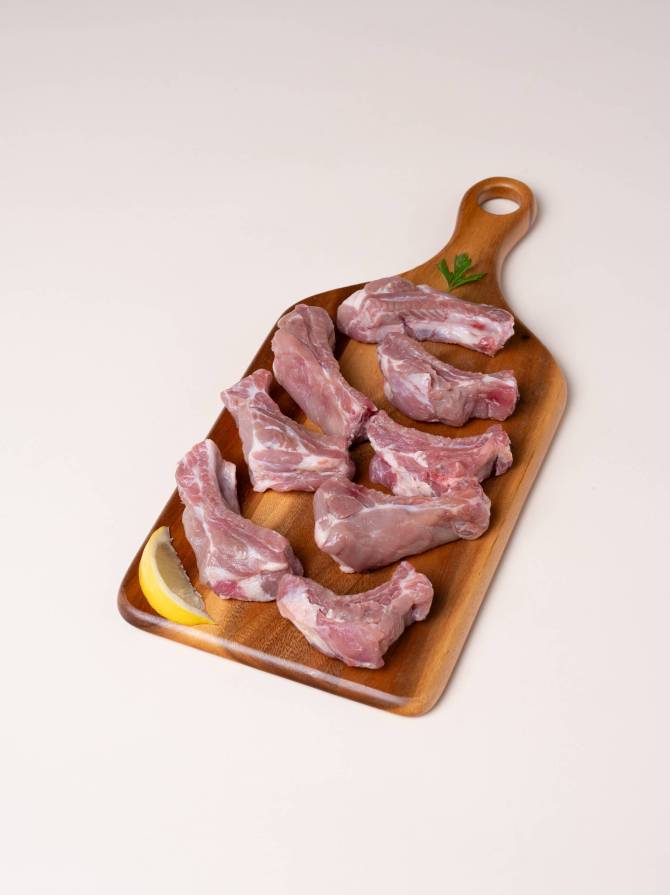

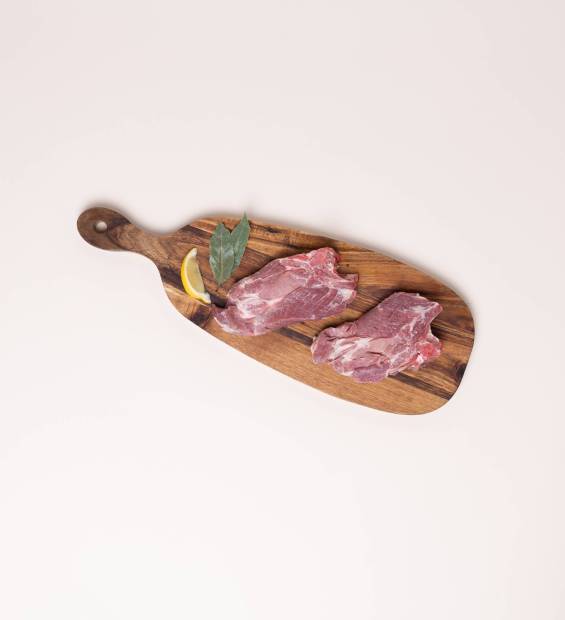
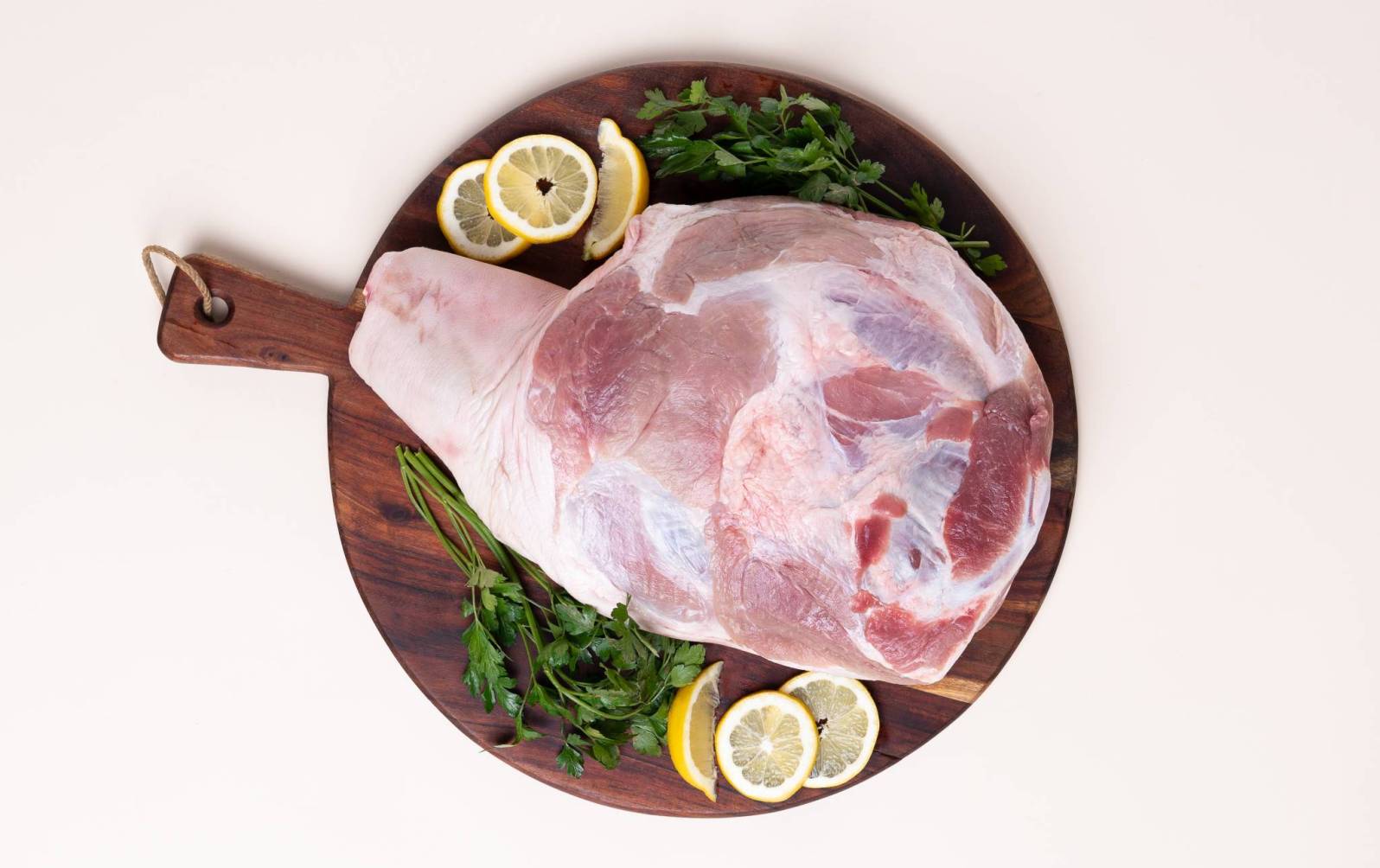

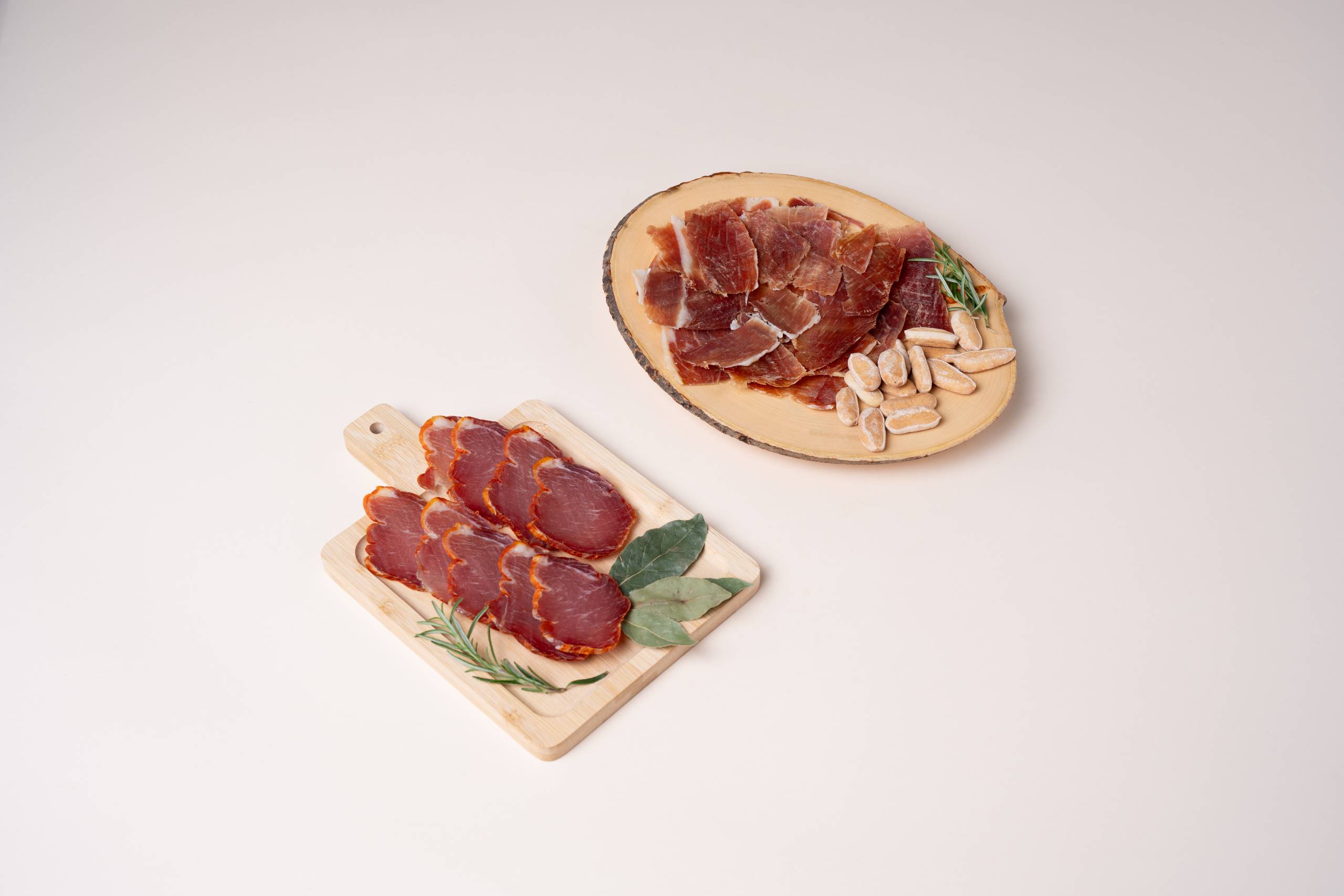
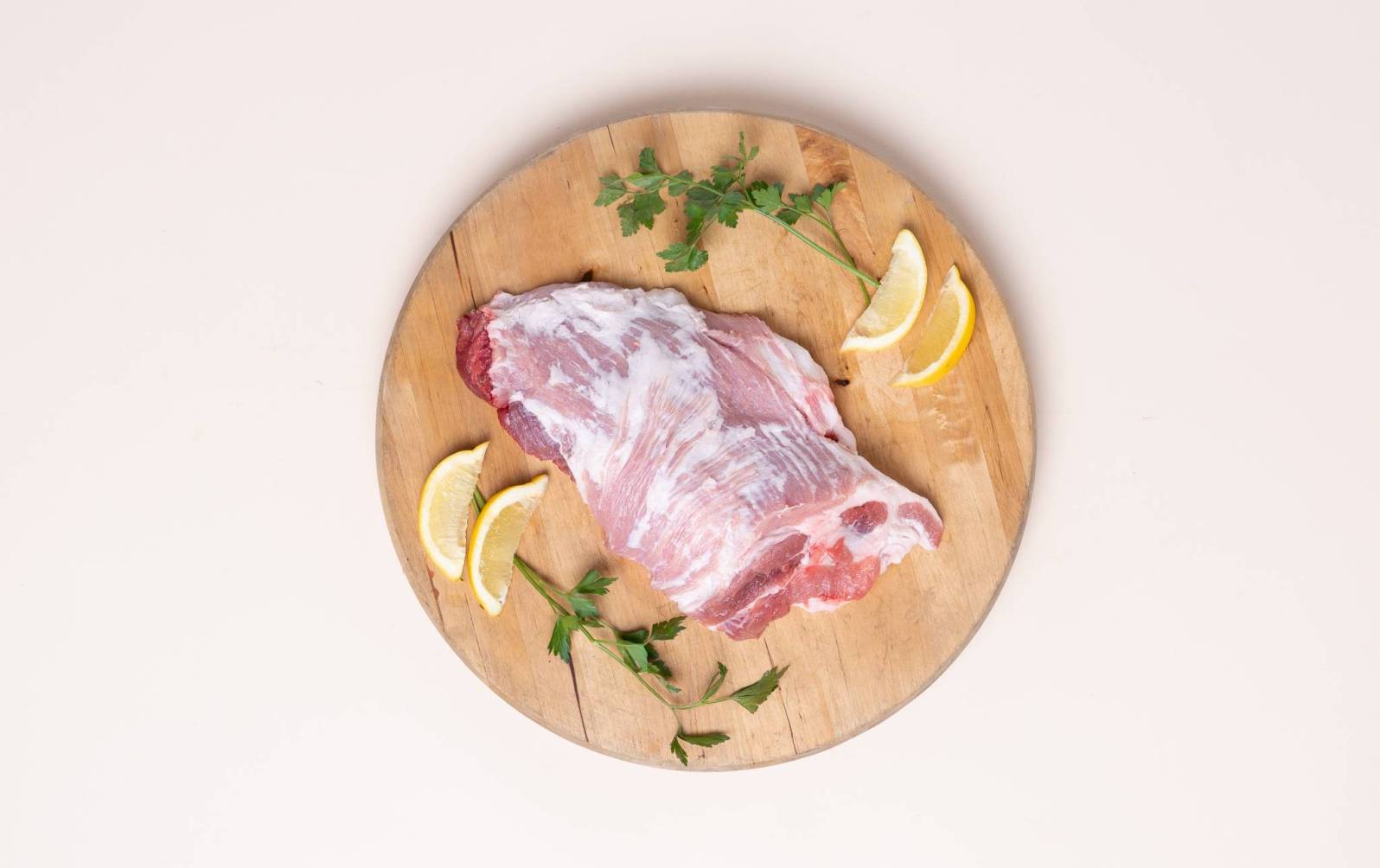
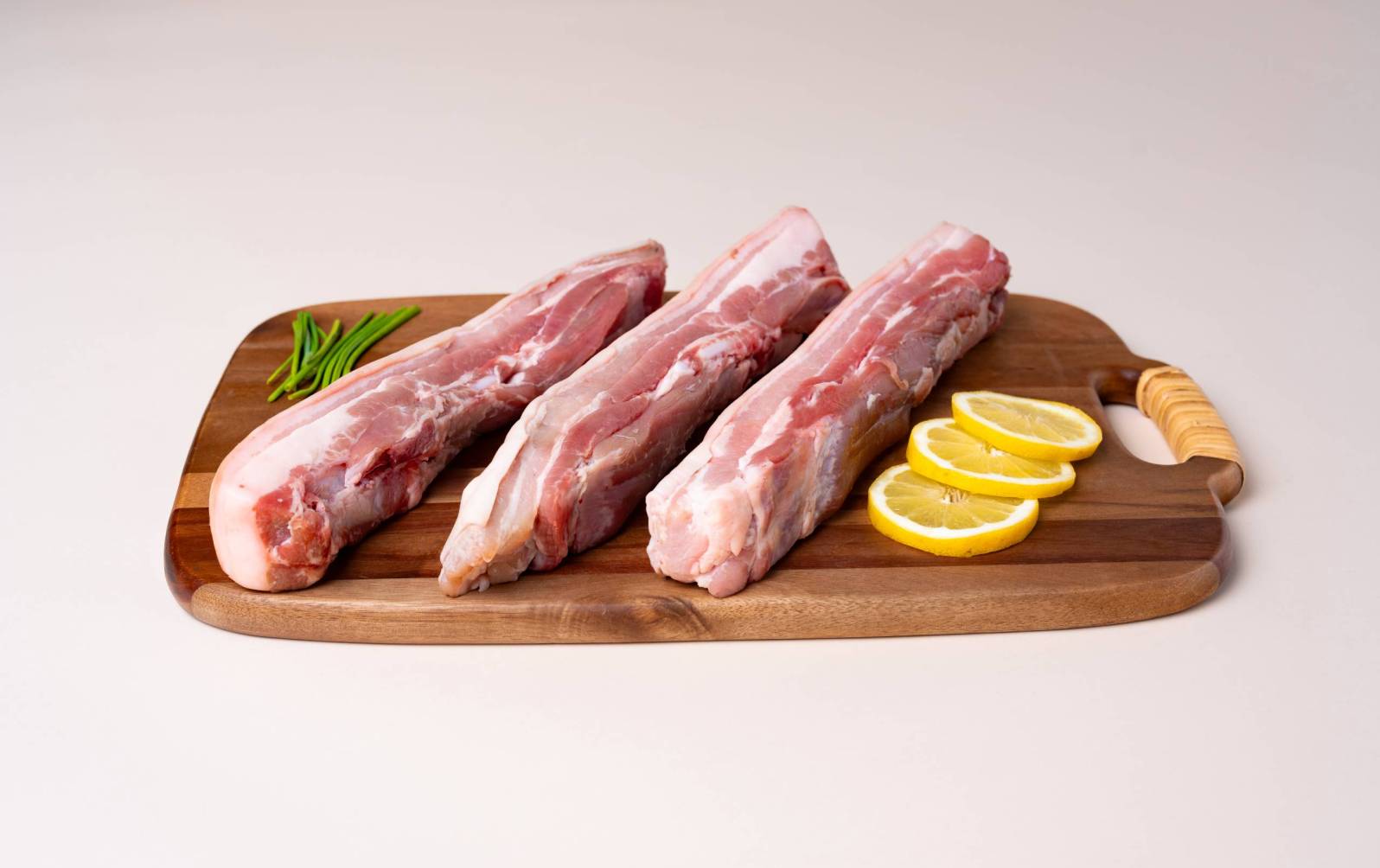
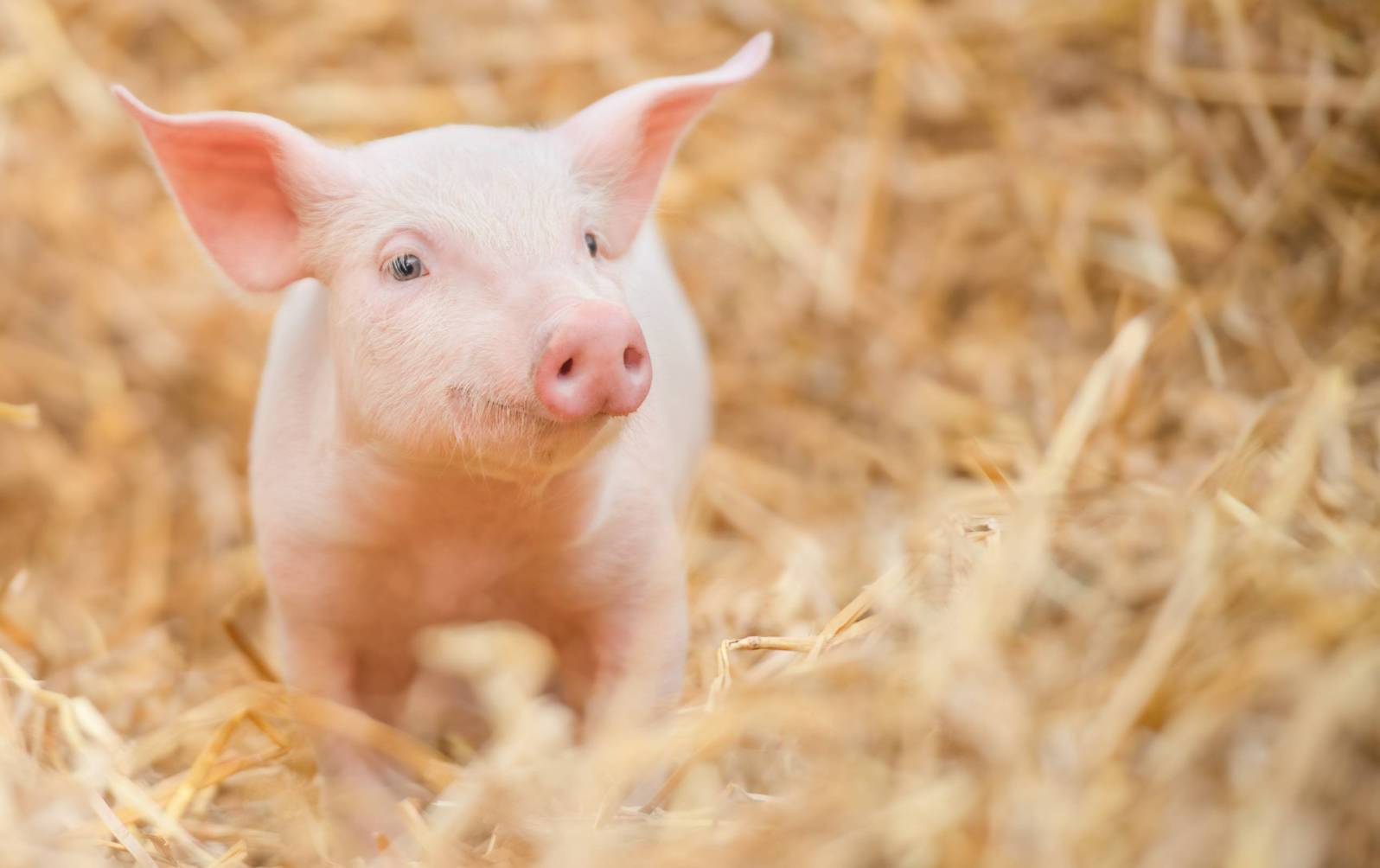
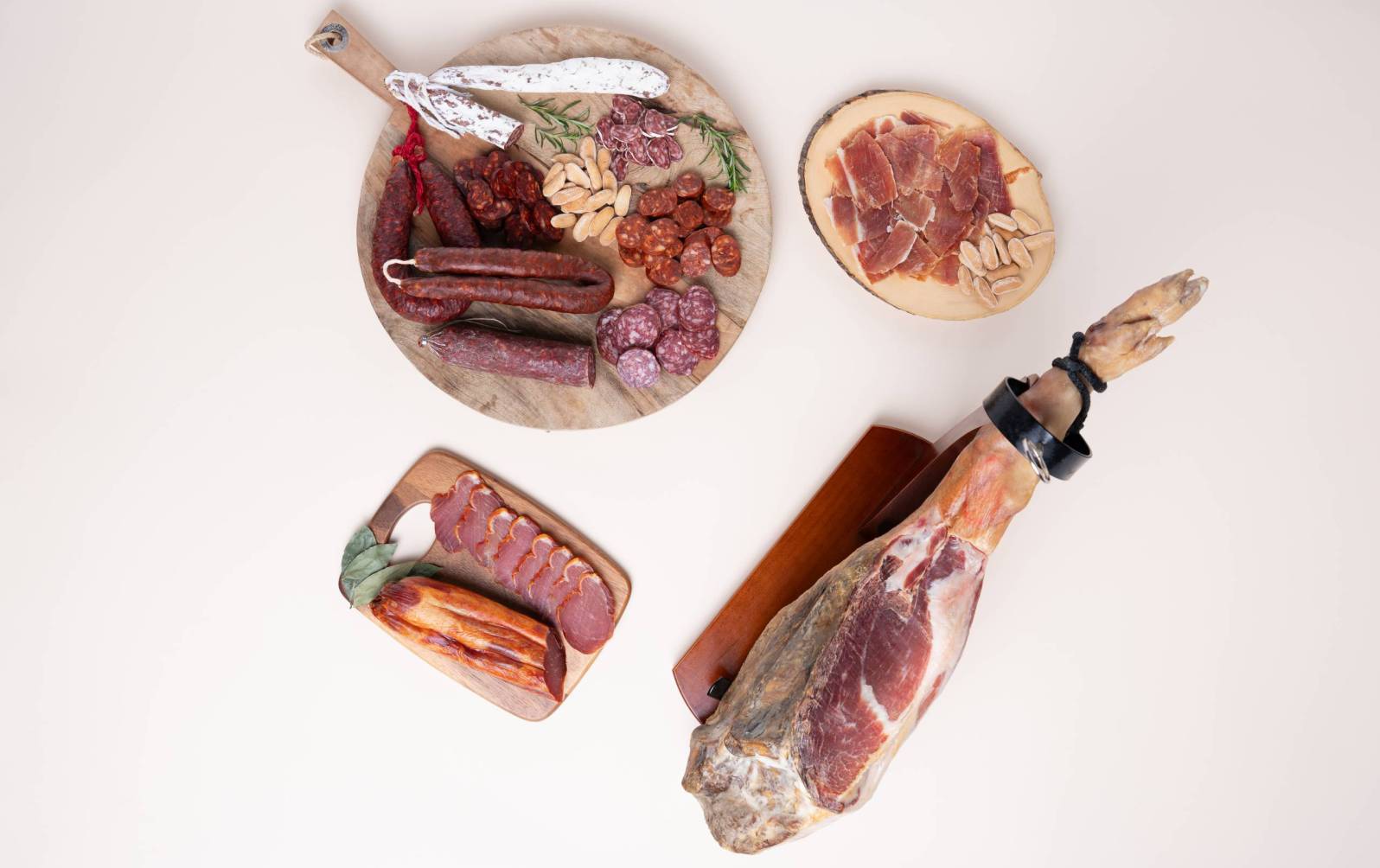
The European Union has a long tradition of pig farming, shaped by centuries of experience and continuous technological innovation. This evolution has led to a modern, robust production system that controls the entire supply chain and maintains the highest standards in the world. According to the European Commission (2025), the EU is the second-largest pork producer globally, producing over 21-23 million tonnes, with Spain, Germany, and France as the leading producers.
EU pork is unique for its strong commitment to sustainability, quality, taste, traceability, food safety, animal welfare, and versatility. Strict regulations and advanced farming practices ensure responsible production, consistent quality, and exceptional flavour, making EU pork a trusted choice worldwide.
EU pork is produced with a strong focus on reducingenvironmental impact, achieving one of the lowest carbonfootprints per kilogram of meat. Responsible resource use,waste reduction, and long-term practices help protectecosystems and support rural communities.
Strict EU production standards are applied throughout the entire supply chain. Controlled processing environments, consistent methods, and high hygiene standards ensure reliable quality and product integrity.
EU pork offers a naturally mild and balanced flavor that adapts easily to a wide range of recipes. Its tender texture and compatibility with local seasonings make it ideal for diverse Asian cooking styles.
Every stage of production is fully documented, allowing products to be traced from farm to shelf. Robust systems ensure transparency, control, and confidence in sourcing and logistics.
EU pork is subject to regular inspections and controls at multiple stages. Strict limits on residues and additives, supported by comprehensive EU food safety regulations, guarantee high levels of consumer protection.
Clear EU rules govern animal housing, feeding, and care. The use of growth hormones is prohibited, antibiotics are strictly controlled, and welfare practices aim to reduce stress and improve living conditions.
EU pork is suitable for both hot dishes and ready-to-eat formats. Cold cuts retain their flavor and texture after slicing and packaging, making them easy to use in snacks, sandwiches, salads, or shared platters.